
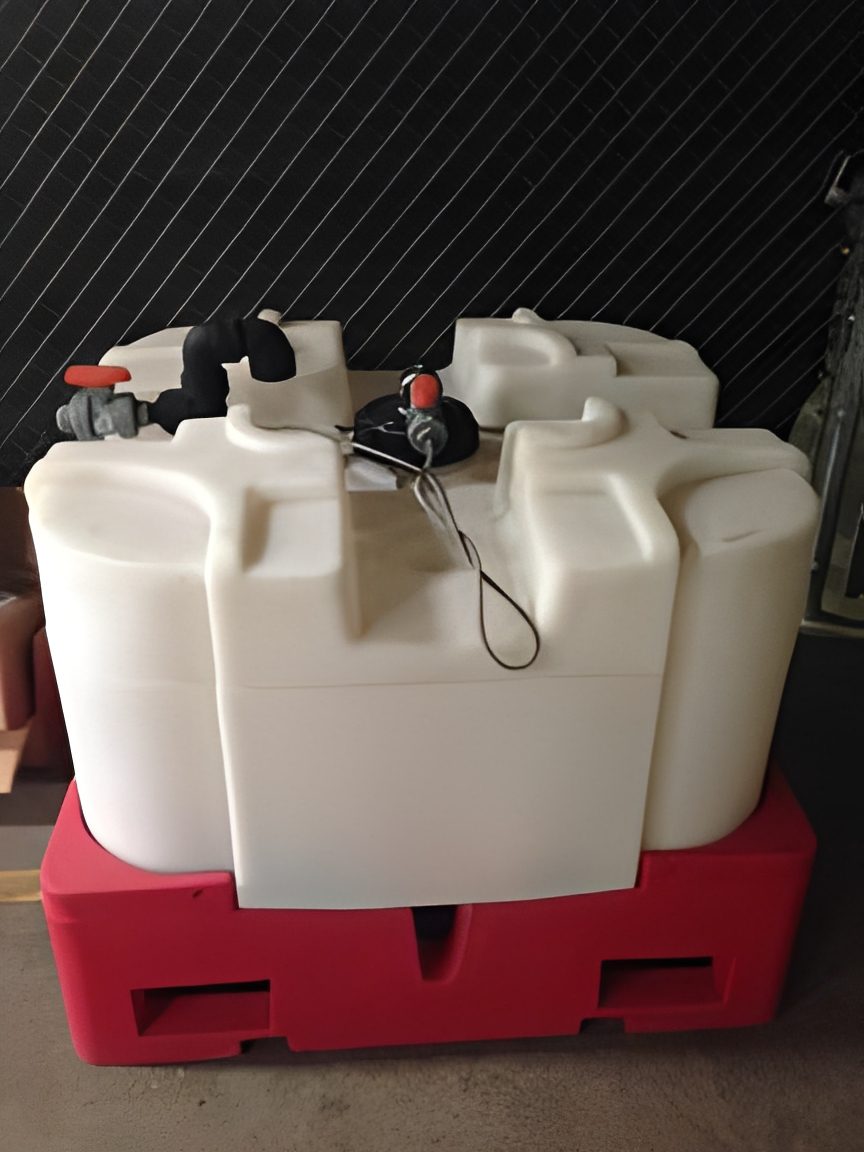
Advanced Ammonia Scrubber Systems for Environmental Compliance
At R.M. Technologies, we specialize in the design and installation of industrial ammonia-based systems. Due to the unique chemical properties of ammonia, selecting the correct components and ensuring precise installation is critical for both operational efficiency and site safety.
Reliable Ammonia Scrubbing Solutions
Our ammonia scrubbers are engineered to meet and exceed rigorous environmental standards. These essential systems are designed to remove toxic ammonia vapors from continuous exhaust streams or mitigate high-pressure emergency releases from storage relief valves.
How They Work
Utilizing the principle of absorption, our systems feature a vertically packed tower. Ammonia-laden gas flows upward through high-surface-area packing material while a counter-current spray of water or acid flows downward from the top. This interaction "scrubs" the gas, allowing clean air to be safely discharged.

Technical Comparison: Scrubbing Methodologies
Water-Based (Absorption) Scrubbers
Water scrubbers rely on the high solubility of ammonia in water. They are the most common choice for emergency relief systems where the scrubber only operates during an overpressure event.
- The Chemistry: Ammonia gas (NH₃) is absorbed into the water to form a dilute Ammonium Hydroxide (NH4OH) solution.
- The Advantage: No hazardous chemicals (like sulfuric acid) need to be stored on-site. The system is simpler and has lower capital costs for the reagent delivery infrastructure.
- The Constraint: Water has a "saturation point." Once the water reaches a certain concentration of ammonia, its ability to absorb more gas drops significantly. This requires a high blowdown rate (frequent water replacement).
- Best For: Emergency vent scrubbing, storage tank "breathing" losses, and facilities where water disposal is not a major cost factor.
Acid-Based (Reactive) Scrubbers
Acid scrubbers use a chemical reaction to permanently neutralize the ammonia. Typically, a dilute solution of Sulfuric Acid (H2SO4) is recirculated through the tower.
- The Chemistry: The ammonia reacts with the acid to form an aqueous salt, typically Ammonium Sulfate (NH4)2SO4. This is a non-volatile salt, meaning the ammonia is "locked" in the liquid and cannot re-evolve as a gas.
- The Advantage: Extremely high removal efficiency (often >95%). Because it is a chemical reaction rather than just absorption, the liquid can hold a much higher "load" before needing to be changed, reducing water consumption.
- The Constraint: Requires the storage and handling of concentrated acid, necessitating specialized metering pumps, pH sensors, and safety showers.
- Best For: Continuous process vents, high-concentration streams, and facilities with strict air quality permits that require "ultra-low" ammonia discharge.
The RM Technologies Integration Advantage
Regardless of the chemistry chosen, RM Technologies focuses on the materials of construction. For Water Scrubbers, we often utilize 304L/316L Stainless Steel for durability. For Acid Scrubbers, we utilize high-performance polymers or FRP (Fiberglass Reinforced Plastic) with a chemical-resistant liner to ensure the acid doesn't compromise the vessel’s integrity over time.

Comprehensive Preventive Maintenance Checklist
To ensure your system remains effective over its 25-year lifespan, we recommend the following audits:
1. Liquid Distribution & Nozzles
- Spray Patterns: Verify uniform distribution to prevent "channeling" where gas escapes treatment.
- Orifice Inspection: Check for erosion (especially in acid systems) to ensure proper atomization.
- Strainer Maintenance: Clean pump suction strainers to prevent nozzle fouling.
2. Packing Material & Airflow
- Fouling Audit: Inspect for mineral scaling or biological growth which reduces surface area.
- Bed Integrity: Check for packing settling or "chimneys" (large voids) in the tower.
- Pressure Monitoring: Track Differential Pressure (Delta P); increases indicate plugging.
3. Instrumentation & Controls
- pH Calibration: Calibrate weekly for acid systems; high pH stops the neutralization reaction.
- Level Controls: Test high/low-level switches and automated make-up/blowdown valves.
- Concentration Testing: For water systems, verify the blowdown rate prevents ammonia saturation.
4. Structural Integrity
- Mist Eliminator: Clean chevron or mesh components to prevent liquid carry-over out the stack.
- Vibration Analysis: Monitor exhaust fans for imbalance caused by chemical deposits.
- Leak Inspection: Check gaskets and hatches for salt crusting or "weeping."
Safe Disposal & Neutralization
If the resulting weak ammonium hydroxide solution (pH below 10) cannot be disposed of directly, it can be neutralized on-site using citric acid. This produces ammonium citrate dibasic—a stable, non-toxic salt that is safe for discharge to waste treatment facilities.
