
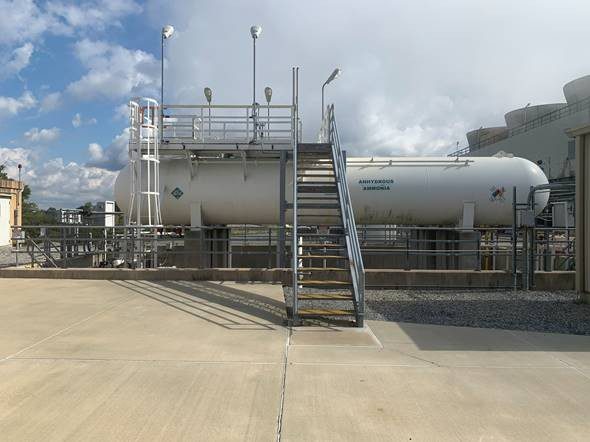
Ammonia Systems for Power Generation
Anhydrous ammonia (NH3) is used in power plants for two main purposes: pollution control (the current dominant use) and increasingly as a zero-carbon fuel (an emerging application).
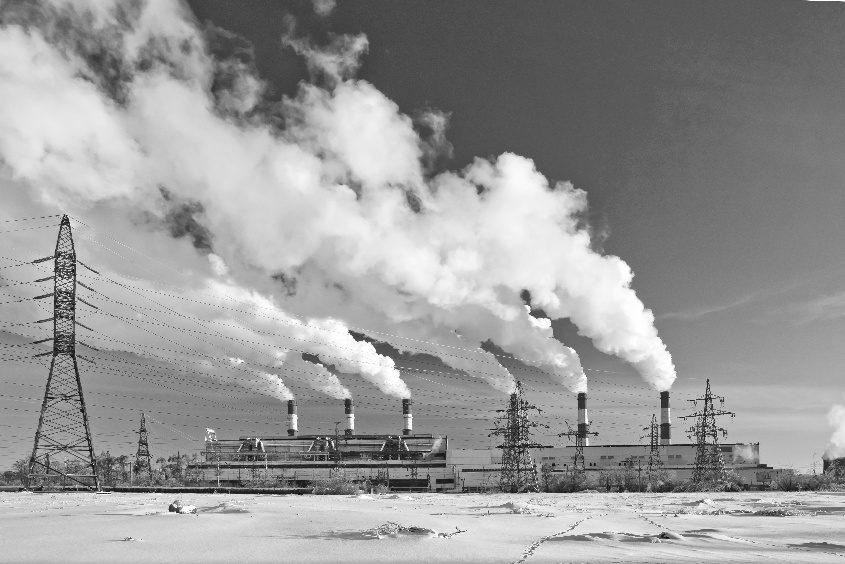
Anhydrous ammonia (NH3) is used in power plants for two main purposes: pollution control (the current dominant use) and increasingly as a zero-carbon fuel (an emerging application).
The vast majority of anhydrous ammonia in power plants is used to reduce harmful nitrogen oxide (NOx) emissions, which contribute to smog and acid rain. This is achieved through a technology called Selective Catalytic Reduction (SCR).
Selective Catalytic Reduction (SCR)
In fossil-fuel power plants (coal, gas, oil), combustion creates NOx. The SCR system injects anhydrous ammonia into the hot exhaust gas (flue gas) before it passes through a specialized catalyst.
The Process:
Anhydrous ammonia is stored, often as a compressed liquid, and then vaporized into a gas.
The ammonia gas is injected into the stream of hot flue gas.
The mixture passes over a catalyst (typically made of vanadium, titanium, or tungsten).
The catalyst causes the ammonia to selectively reduce the NOx molecules.
The Reaction: The NOx is converted into harmless, naturally occurring substances:
4NO+4NH3+O2 Catalyst→ 4N2+6H2O
(Nitric Oxide + Ammonia + Oxygen → Nitrogen + Water)
6NO2+8NH3 Catalyst → 7N2+12H2O
(Nitrogen Dioxide + Ammonia → Nitrogen + Water)
Result: SCR systems using ammonia are highly effective, often removing over 90% of the NOx emissions.
Alternative Reductants
While anhydrous ammonia is the most effective and often preferred reagent for large utility boilers, some plants use:
Aqueous Ammonia (NH4OH): Ammonia dissolved in water; safer to handle but less concentrated.
Urea (CO(NH2)2): A less hazardous solid that must be thermally converted to ammonia before injection.
As the world transitions to lower-carbon energy, anhydrous ammonia is gaining significant interest as a potential zero-carbon fuel or a hydrogen carrier in power generation.
The Advantage: Ammonia (NH3) contains no carbon, meaning its combustion does not produce CO2. It is also much easier to store and transport as a liquid than hydrogen (H2).
The Application: Power plant operators are exploring two primary methods for utilizing ammonia as a fuel:
Co-Firing: Blending ammonia with traditional fuels (like coal or natural gas) in existing boilers or turbines. This allows for a gradual reduction in carbon emissions.
Dedicated Ammonia Turbines: Developing gas turbines capable of burning 100% ammonia. The main challenge here is managing the nitrogen oxides (NOx) that are produced when the fuel's nitrogen atoms (from the NH3) react with oxygen during combustion.
The Future Vision: Green ammonia (produced using renewable electricity) is seen as a way to store and transport clean energy globally, which could then be burned in power plants to generate carbon-free electricity.