The Bedrock of Global Crop Nutrition
Ammonia (NH₃) stands as the most critical nitrogen source in modern farming. Its primary value lies in its concentration: at 82% nitrogen, it offers the highest nutrient density of any commercial fertilizer. This nitrogen is the essential fuel for plant protein synthesis and chlorophyll production, directly addressing the most common nutrient deficiency in soil to maximize crop yields.
From Atmosphere to Field: Production & Forms
Most ammonia is synthesized through the Haber-Bosch process, a method that fuses atmospheric nitrogen with hydrogen under extreme heat and pressure.
Once created, it is delivered to farms in several specialized formats:
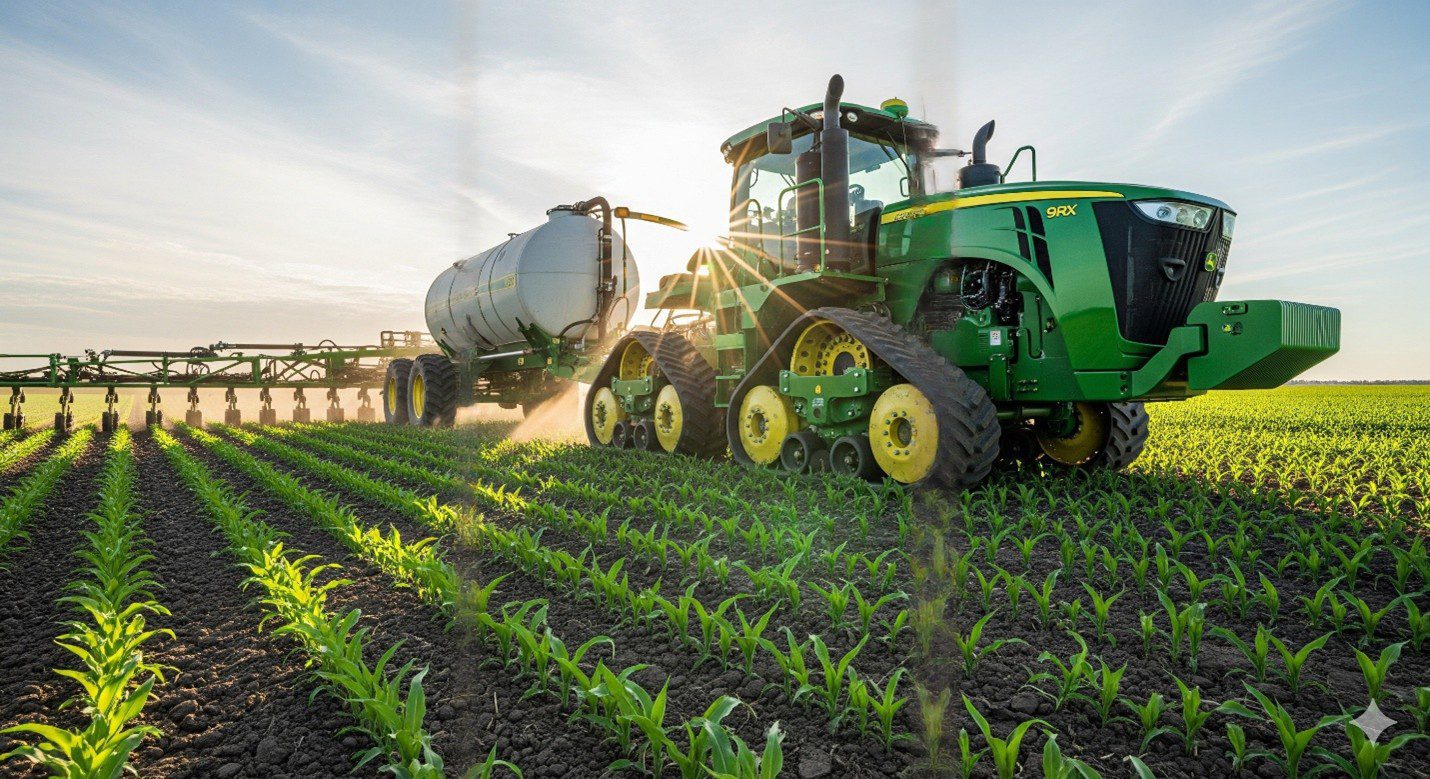
- Anhydrous Ammonia: A pressurized gas injected directly into the earth.
- Derived Solids: Converted into urea, ammonium nitrate, or ammonium sulfate.
- Aqua Ammonia: A liquid solution dissolved in water, often utilized within irrigation systems for simplified handling.
Strategic Agricultural Use
To ensure ammonia is used effectively without wasting resources, farmers adhere to the "4R" Stewardship framework: the Right Source, Right Rate, Right Time, and Right Placement.
- Soil Interaction: When anhydrous ammonia is injected, it reacts with soil moisture to create ammonium. This compound binds to soil particles, staying "locked" in place until plants absorb it.
- Primary Targets: It is the preferred choice for nitrogen-hungry cereal crops, including corn and wheat, which require high inputs to reach peak productivity.
The Value Proposition
Economic & Functional Efficiency
- Cost Leadership: Because almost all other nitrogen fertilizers are manufactured from ammonia, using it in its base form is typically the most budget-friendly option for growers.
- Logistical Edge: Its high nutrient density means less total product needs to be transported and stored compared to diluted alternatives, lowering overhead costs.
- Global Impact: Since the early 1900s, the consistent application of ammonia has been a primary driver in the massive expansion of global food supplies.
Operational Risks & Environmental Stewardship
The power of ammonia comes with significant responsibilities regarding safety and the ecosystem:
- Human Safety: Ammonia is a hazardous respiratory irritant. Exposure can lead to chemical burns, eye damage, or lung injury. Handling it requires specialized pressurized equipment and rigorous Personal Protective Equipment (PPE) protocols.
- Ecological Balance: Over-application can result in nitrogen leaching into groundwater or the release of greenhouse gases during the manufacturing stage.
- Management: Sustainable farming practices are essential to prevent water pollution while maintaining high-output harvests.
Conclusion
Ammonia remains the indispensable "engine" of the agricultural world. By providing a high-efficiency, low-cost nitrogen source, it allows the global food system to meet the demands of a growing population. The future of the industry depends on balancing this incredible productivity with precise management to protect both workers and the environment.