
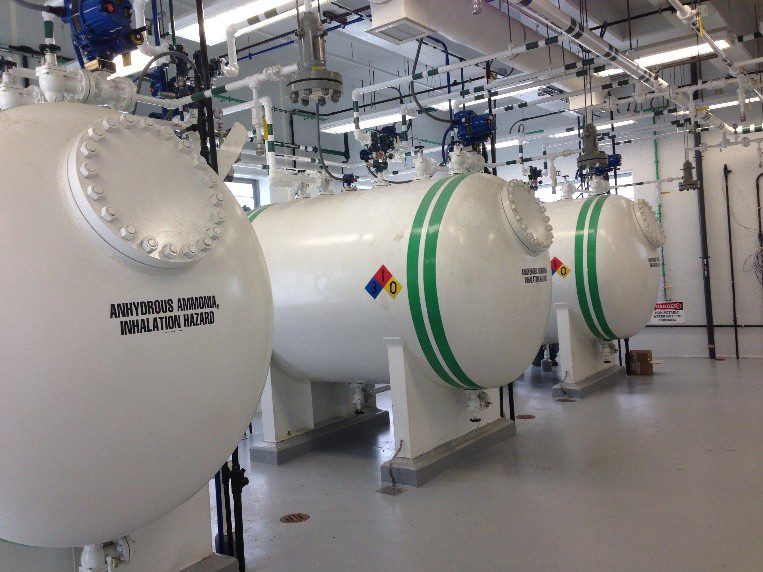
Comprehensive Guide to Industrial Ammonia Systems
Ammonia Industry Overview, Ammonia Safety, Ammonia Skids, Ammonia Storage Tanks, Ammonia Tanks, Ammonia Uses, Ammonia Vaporizer, Ammonium Carbonate, Ammonium Hydroxide, Anhydrous Ammonia, Aqua Ammonia
Unveiling the Power of Industrial Ammonia Systems
Industrial ammonia systems play a critical role in a wide array of applications across sectors such as chemical processing, refrigeration, and power generation. In today’s competitive market, understanding these systems is essential for optimizing operations and ensuring safety. Ammonia, with its unique thermodynamic properties, enables efficient heat transfer and process control, making it a preferred choice for many industrial environments.
By leveraging these systems, industries can experience benefits including:
- Enhanced process efficiency and energy savings
- Improved control and monitoring of chemical reactions
- Greater operational safety with robust design protocols
Engineers and facility managers often face challenges related to system integration, maintenance, and compliance with safety standards. Through practical tips and hands-on guidance, one can mitigate risks while maximizing performance. Whether you are located in industrial hubs like Fort Myers, Florida or other major centers, embracing ammonia technology means investing in reliable and sustainable solutions. This introduction sets the stage for a deeper exploration into system design, regulatory considerations, and maintenance best practices that will help you navigate the complexities of industrial ammonia applications successfully.
Unveiling the Spectrum of Ammonia Systems
Navigating the realm of ammonia systems can be challenging, yet understanding the distinctions between anhydrous ammonia, aqua ammonia, and urea-based solutions is key to optimizing industrial processes. Anhydrous ammonia, noted for its purity and energy efficiency, plays a vital role in applications that require rapid, high-performance chemical reactions. Its zero-water content, however, demands strict handling protocols to ensure absolute safety in storage and transportation.
Aqua ammonia, or ammonium hydroxide, offers a safer, more manageable alternative as it is diluted with water. This system is particularly suited for facilities located in regions such as Fort Myers, Florida, where environmental and worker safety is paramount. With its reduced volatility, aqua ammonia is ideal for settings that prioritize controlled chemical reactions and ease of handling.
Urea-based systems blend ammonia with carbon dioxide, resulting in a stable compound widely used for slow-release agricultural applications and controlled industrial processes. The versatility of urea systems lies in their ability to offer consistency and reliability in energy management.
Key considerations include:
- Adhering to stringent safety protocols.
- Comprehensive operator training.
- Regular system inspections.
Understanding these systems equips operators with practical guidance to address common challenges in industrial ammonia applications effectively.
Assessing Your Requirements with Precision
Begin by defining the specific industrial process needs. Evaluate factors such as production capacity, safety protocols, and environment-specific regulations in your facility, especially if you operate in locations like Fort Myers or other similar industrial hubs.
- Step 1: Define Operational Objectives
- List the key performance indicators that matter: efficiency, energy consumption, throughput, and safety.
- Determine if your process requires anhydrous ammonia, aqua ammonia, or a combined approach.
- Step 2: Evaluate System Components and Safety Features
- Research various system configurations that align with your operational needs.
- Consider safety mechanisms and regulatory compliance measures as part of the selection criteria.
- Step 3: Compare Efficiency and Maintenance Requirements
- Review the long-term benefits versus upfront costs with detailed cost-benefit analyses.
- Factor in maintenance schedules and potential downtimes.
Tip: Develop a checklist based on your evaluation for each option. This structured approach ensures that the selected ammonia system delivers optimal performance while maintaining stringent safety standards in industrial applications.
Safety First: Best Practices for Ammonia System Installation & Maintenance
Ensuring the safe installation and ongoing maintenance of ammonia systems is essential for reliable industrial operations. In environments such as Fort Myers, Florida, where climate and operational conditions demand precision, adhering to strict guidelines is paramount. A well-planned ammonia system not only safeguards equipment but also ensures the safety of facility personnel.
Begin with thorough risk assessments to identify potential hazards. Key steps include:
- Conducting detailed system audits and hazard analyses
- Installing robust safety controls and alarms to monitor ammonia levels
- Using high-quality, certified components capable of withstanding operating pressures
Regular maintenance routines prevent unexpected failures and extend system lifespan. Scheduled inspections, cleaning, and calibration of sensors are vital practices. Additionally, comprehensive training for on-site technicians enhances responsiveness during emergencies, ensuring that everyone is well-versed in contingency and evacuation procedures.
Integrating these safety practices minimizes risks and promotes sustainable operations across industrial sectors. By combining expert planning with proactive maintenance, facilities can confidently meet operational demands and regulatory requirements, achieving optimal system performance and enhanced overall safety.
Frequently Asked Questions
What are the key safety considerations for ammonia systems?
Ammonia is a highly reactive chemical, which makes safety protocols a top priority. Operators must follow strict safety guidelines, including proper handling procedures and emergency response plans. Regular training and adherence to lock-out/tag-out procedures ensure that exposure is minimized and systems function within safe operational limits.
How is cost-effectiveness achieved in ammonia system installations?
While initial installation expenses may be significant, the long-term benefits include lower maintenance costs and higher energy efficiency. Efficient system design and modular construction can reduce downtime and enhance overall operational performance.
What factors contribute to the efficiency of ammonia systems?
Efficiency is driven by robust system integration, precise engineering, and routine maintenance schedules. Fine-tuning components and consistent monitoring help optimize performance and reduce energy consumption.
How do installation and regulatory compliance impact system operations?
Adopting best practices during installation and ensuring compliance with local regulations—such as those enforced in regions like Fort Myers, Florida—protects both personnel and equipment.
What should be considered when upgrading an existing ammonia system?
Prioritize safety enhancements and advanced automation controls. Evaluate the benefits of modern components and technologies that can improve overall system reliability and productivity.
Conclusion: Empowering Industrial Efficiency
In wrapping up this comprehensive guide, it’s clear that maintaining robust ammonia systems is essential for achieving peak industrial performance. When systems are properly maintained, they contribute significantly to operational safety and reliability while minimizing unplanned downtime.
Key points include:
- Regular maintenance schedules that ensure consistent system health.
- Rigorous inspections to uncover potential safety hazards before they escalate.
- Investment in both training and advanced monitoring technology to optimize performance.
For those managing operations, consider these actionable steps:
- Conduct a thorough evaluation of your current ammonia systems.
- Implement scheduled improvements and preventative measures.
- Adopt industry best practices that have been refined through hands-on experience.
In regions like Fort Myers and beyond, these systems play a pivotal role in industrial efficiency, energy management, and safe operations. As you move forward, keep refining your maintenance strategy to harness the full potential of your ammonia systems. Take charge of your operational excellence and let every update drive you closer to sustainable industrial success. For additional information or specific application, please contact RM Technologies of America at: (800) 775-4280 or sales@rmtech.net
