
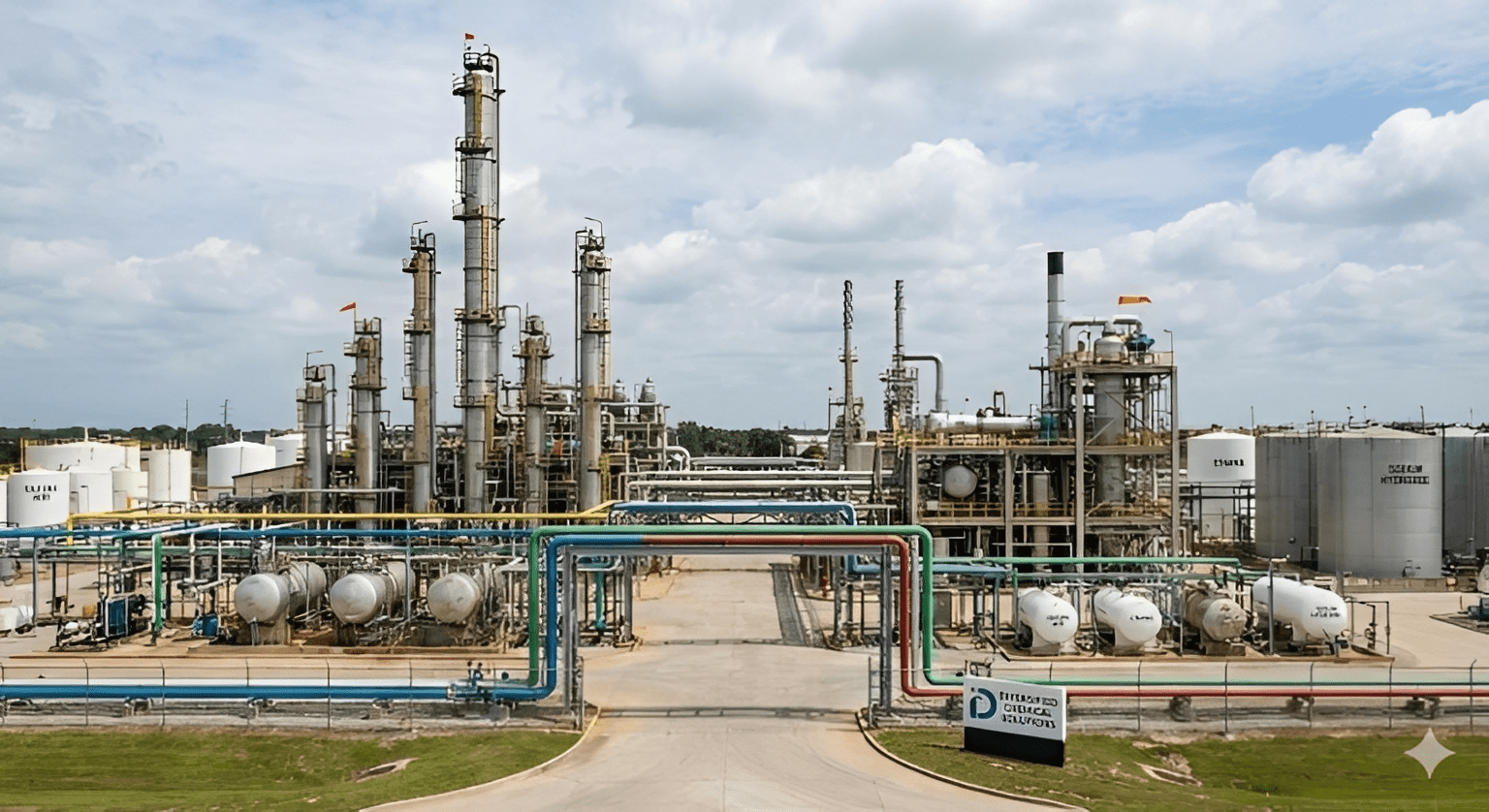
High-Performance Ammonia Systems for Global Chemical Manufacturing
Anhydrous ammonia (NH₃) stands as one of the most vital high-volume basic chemicals produced worldwide. Beyond its well-known role in global food security—where approximately 80% of production is dedicated to fertilizers like urea and ammonium nitrate—ammonia serves as a foundational building block for a vast spectrum of industrial chemicals and manufacturing processes.
I. Critical Precursor for Nitrogenous Chemistry
Ammonia is the primary nitrogen (N) source for synthesizing nearly all inorganic and organic nitrogen-containing compounds.
- Nitric Acid (HNO3): Produced via the catalytic oxidation of ammonia (the Ostwald process), nitric acid is essential for manufacturing explosives (Ammonium Nitrate), high-performance dyes, and polyurethanes.
- Urea (CONH2)2: Beyond agriculture, urea is a cornerstone of the wood products industry, utilized in Urea-Formaldehyde resins for adhesives, coatings, and durable laminates like melamine.
- Hydrogen Cyanide (HCN): Reacted through the Andrussow process, HCN is the starting point for acrylic plastics and synthetic fibers.
- Amines and Amides: These ammonia derivatives are found in a wide array of detergents, specialty chemicals, and pharmaceuticals.
II. Synthetic Fibers and Advanced Polymers
Ammonia plays a dual role as both a reactant and a process regulator in the production of high-strength materials.
- Nylon 6 Production: Ammonia is used to synthesize Caprolactam—the monomer for Nylon 6—where it acts as a neutralizing agent to maintain precise pH levels during complex chemical reactions.
- Acrylic Fibers: It is a vital component in the production of Acrylonitrile, the fundamental ingredient for acrylic clothing fibers and resilient synthetic resins.
III. Industrial pH Control and Neutralization
As a potent basic reagent, ammonia is widely employed to stabilize chemical environments.
- Wastewater Treatment: Ammonia is used to neutralize acidic industrial process streams before they are safely discharged or further treated.
- Large-Scale Fermentation: In the biotechnology and pharmaceutical sectors, ammonia solutions maintain the optimal pH required for microbial growth, while simultaneously providing a necessary nitrogen source for production organisms.
IV. Metallurgical and Heat Treating Applications
In metallurgy, anhydrous ammonia is often "cracked" (thermally decomposed) to create a specific controlled atmosphere.
- Dissociated Ammonia Atmosphere: This process produces a gas mixture of 75% Hydrogen (H2) and 25% Nitrogen (N2).
- Surface Hardening: This non-oxidizing, reducing atmosphere is used for bright annealing, as well as nitriding and carburizing—processes that case-harden the surface of steel components for industrial durability.
V. High-Efficiency Industrial Refrigeration (R-717)
Ammonia is the premier choice for large-scale cooling due to its unmatched energy efficiency and environmental profile.
- Environmental Impact: R-717 has Zero Ozone Depletion Potential (ODP) and Zero Global Warming Potential (GWP), making it a sustainable alternative to synthetic refrigerants.
- Key Sectors: Our systems support the high-capacity cooling demands of breweries, meat packing facilities, dairy plants, and massive cold storage distribution centers.